Willing Hearts, Helpful Hands is an innovative community program serving family caregivers in Queens, Nassau, and Suffolk Counties by connecting them with a circle of help that includes trained volunteers who provide an array of respite services. Our well-trained volunteers provide family caregivers of older adults with the time to meet self-care needs, as well as other family obligations, at no cost. Without help in the daily tasks of caregiving, the risk to your health and well-being is as real as it is to your loved one. That is why the volunteers of Willing Hearts, Helpful Hands provide the assistance you need, on a schedule designed to allow you the time, personal space and freedom that is essential for healthy living.
Our mission is to improve the quality of life for family caregivers of older adult loved ones by engaging the broader community to provide assistance and respite services.
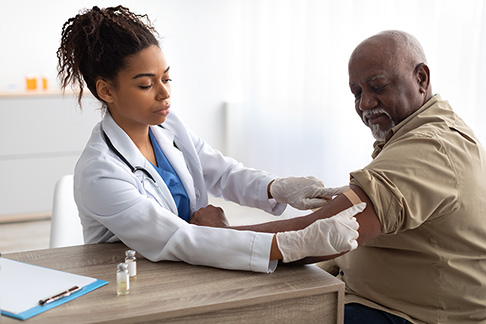
Parker At Your Door: Protecting Against Flu, COVID-19 and Pneumonia
October 6, 2026
Parker At Your Door (PAYD), a physician-led medical house-call service through Parker Jewish Institute, provides comprehensive medical care in the comfort of patients’ homes. During a scheduled checkup, patients and caregivers can discuss preventive care, ask questions about vaccinations and receive guidance based on their individual health needs.
Medical House Call Service - Parker At Your Door Gives Families Peace of Mind
October 5, 2026
A medical house call service through the Parker Jewish Institute in New Hyde Park, New York, PAYD brings expert, compassionate care to our family home. In addition to providing regular wellness checks to help our mom stay healthy, PAYD provides in-home sick visits – and even telecare – when she needs medical attention. PAYD can also arrange for prescriptions, vaccines, blood tests and physical therapy, helping our mom receive the care she needs without leaving home.


.jpg)
.svg)

.svg)
.svg)
